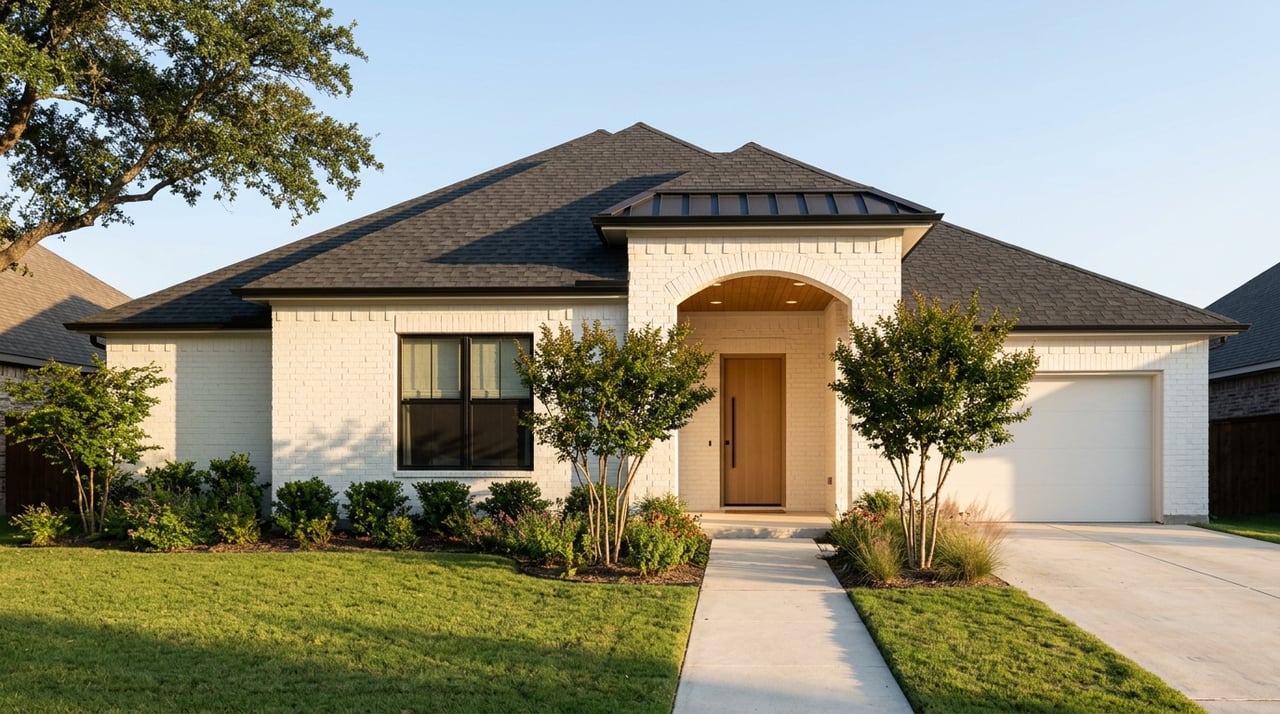
Living In Fort Worth’s West Side Neighborhoods
May 7, 2026
May 7, 2026
If you want a part of Fort Worth that feels established, connected, and full of options, the west side deserves a close look. This area is not just one neighborhood. It is a collection of historic corridors, mixed-use districts, cultural destinations, and residential pockets that shape daily life in different ways. If you are trying to decide whether west Fort Worth fits your lifestyle, this guide will help you understand what it feels like to live there and what to watch for. Let’s dive in.
Fort Worth’s west side is best understood as a broad area rather than a single neighborhood with one clear identity. The City of Fort Worth generally defines West Fort Worth from the Trinity River Corridor on the east to the city limits on the west, with Camp Bowie Boulevard as the southern edge and White Settlement Road as the northern edge.
Within that area, the city’s West Division includes places like Ridgmar, Hulen, Clearfork, University Park Village, Historic Camp Bowie Boulevard, Waterside, TCU, the Cultural District, and miles of Trinity Trails. That mix explains why west-side living can feel different from block to block. Some areas are more historic and residential, while others are more active, urban, and entertainment-focused.
One of the best ways to describe the west side is as a spectrum. Camp Bowie and Ridglea tend to feel like established neighborhood-serving corridors with historic character and visible reinvestment. West 7th and the Cultural District feel more compact, energetic, and urban.
That variety matters if you are choosing where to live. You are not just picking a home. You are choosing a pattern for your week, including how far you drive, where you spend free time, and whether you want a quieter residential setting or quicker access to dining and entertainment.
Camp Bowie is one of the strongest identity anchors on the west side. The boulevard is known for its historic brick character and a local mix of bakeries, boutiques, eateries, and shops.
For many buyers, that means the area offers a more established Fort Worth feel. It is also a short drive from downtown, which helps make everyday errands, dining, and weekend plans feel convenient without needing to cross a large part of the metro.
Ridglea adds another important layer to west-side living. The city treats Ridglea as an urban village, meaning it is seen as a compact mixed-use place with public spaces, transportation connections, pedestrian activity, and a strong sense of place.
It is also an area that has seen $55 million in commercial development and $56 million in new housing development. That level of investment suggests that Ridglea is not frozen in time. Instead, it reflects a blend of older neighborhood character and ongoing change.
If you want to be closer to activity, West 7th stands out. Visit Fort Worth describes it as very close to downtown and one of the city’s most active entertainment scenes, while the city describes West Seventh Urban Village as a vibrant, walkable live-work environment linking Downtown and the Cultural District.
That can be a major draw if you enjoy being near restaurants, retail, and nightlife. It can also support a more connected routine, where dinner, entertainment, and nearby recreation are all part of the same area rather than separate trips across town.
The Cultural District is one of the west side’s biggest lifestyle advantages. This area brings together five major museums, Dickies Arena, Will Rogers Memorial Center, the Fort Worth Botanic Garden, and the Fort Worth Zoo in a relatively compact part of the city.
That concentration of destinations can shape everyday life in a practical way. Instead of planning around one major outing, you can often combine a museum visit, dinner, and an event into a single afternoon or evening.
West Fort Worth is not only about dining and culture. Outdoor access is a major part of the area’s identity, especially because of its connection to parks and the Trinity River trail network.
Trinity Park is one of the clearest examples. The city says the park dates to 1892, covers 252 acres, and connects into the Trinity River Trails system, which includes more than 100 miles of paved trail.
The Fort Worth Botanic Garden adds another major green-space anchor with its 120-acre campus and 23 specialty gardens. Smaller neighborhood parks also matter here, including places like Ridglea Hills Park, which gives residents nearby green space on a more everyday scale.
Another reason the west side feels different from many newer suburban areas is its visual variety. According to the city’s urban forestry guidance, older neighborhoods in West Fort Worth tend to have more mature tree plantings, while areas farther west become more open and rocky.
That means the west side does not feel uniform. In some areas, you will notice tree-lined residential streets and older neighborhood patterns. In others, the landscape opens up and the street feel changes.
Daily life on the west side is often shaped by a few major corridors. For drivers, Interstate 30 is a key east-west route through Fort Worth, White Settlement, Benbrook, Westover Hills, and Westworth Village.
TxDOT has studied the I-30 segment between I-820 and Chisholm Trail Parkway to improve capacity, safety, mobility, and congestion. That is a useful sign that commute pressure on the west-side freeway network is part of real daily life.
At the same time, proximity is one of the west side’s biggest strengths. Because downtown, trails, shopping, dining, and cultural destinations are relatively close together, your routine may feel more like a series of short trips than one long cross-metro commute.
One common mistake is assuming the entire west side is either highly walkable or fully car-dependent. In reality, it is both, depending on where you are.
West 7th offers one of the strongest walkable environments on the west side because of its mixed-use layout and concentration of activity. Other parts of west Fort Worth are more corridor-based and car-oriented, even when they still offer easy access to shopping, dining, and recreation.
For many buyers, the west side’s biggest advantage is convenience with character. You can be close to downtown, trails, museums, restaurants, and shopping while still having access to established residential areas with distinct identities.
That combination can be especially appealing if you want a neighborhood that feels connected to the city without giving up the everyday ease of nearby amenities. It can also work well for relocation buyers who want to understand Fort Worth through lifestyle, not just ZIP codes.
Every area has tradeoffs, and the west side is no exception. The same things that make it attractive, including entertainment districts, major destinations, and freeway access, can also bring more traffic, parking friction, and event-day activity than a farther-out area.
That does not make the west side better or worse than other parts of Fort Worth. It simply means fit matters. The right choice depends on how you want your week to feel and what level of activity you want around you.
If you are home shopping on the west side, it helps to compare areas through a lifestyle lens first. Start with questions like these:
Once you answer those questions, west-side options usually become much easier to sort. What feels ideal for one buyer may feel too active or too spread out for another.
Because Fort Worth’s west side is made up of several distinct districts and neighborhood pockets, broad advice only goes so far. Two homes can both be on the west side and offer very different daily experiences.
That is why a good home search here should go beyond square footage and price point. It should also account for commute patterns, activity levels, nearby amenities, and how each area fits your long-term goals.
If you are thinking about buying or selling in Fort Worth, working with a team that understands both neighborhood positioning and the financial side of the move can help you make a clearer decision. To talk through west-side neighborhoods and find the right fit for your goals, connect with Kemberly McLaughlin.
Stay up to date on the latest real estate trends.

DFW Summer Bucket List: Beaches, Splash Pads, Water Parks & Lakeside Escapes
Experience a seamless real estate journey backed by a dedicated team focused on your success.