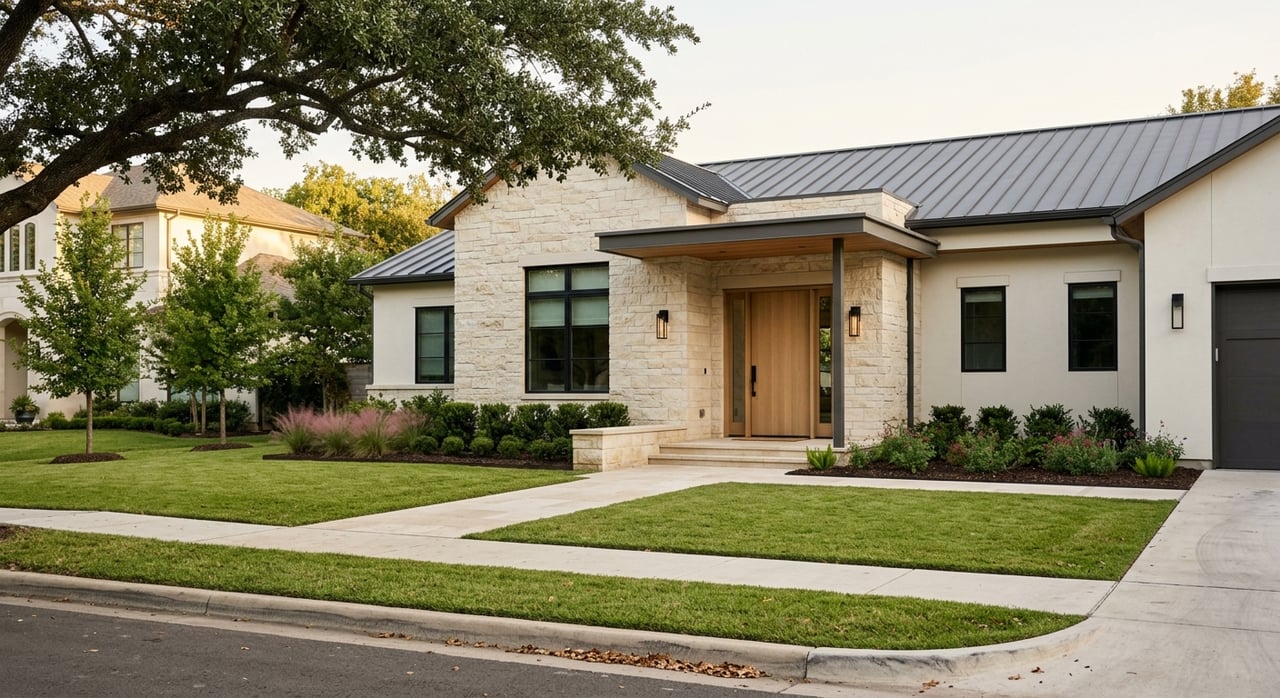
Relocating To Fort Worth: A Neighborhood Match Guide
May 21, 2026
May 21, 2026
If you are relocating to Fort Worth, one of the biggest mistakes you can make is treating the city like one single market. Fort Worth works more like a collection of distinct neighborhoods, each with its own rhythm, housing patterns, commute options, and pace of change. When you know how to match your daily life to the right area, your move becomes clearer, less stressful, and much more strategic. Let’s dive in.
Fort Worth is shaped by distinct submarkets, not a one-size-fits-all housing landscape. The city’s urban-village program describes these areas as compact places with a mix of land uses, jobs, public spaces, transportation connections, pedestrian activity, and a clear sense of place.
That matters when you are relocating because two neighborhoods can sit relatively close to each other and still offer a very different day-to-day experience. One may feel highly walkable and urban, while another may offer older homes, quieter streets, or newer mixed-use development.
Before you narrow your home search, think about how you actually live. Your best neighborhood match usually comes from practical priorities like commute time, travel needs, outdoor access, and the type of home environment that feels right to you.
A smart relocation plan often starts with a few simple questions:
At Silver Elk Realty, this is where a lifestyle-first search becomes valuable. Instead of looking at square footage alone, you can focus on the areas that best support your routine and your long-term goals.
For many relocation buyers, commute and connectivity should be one of the first filters. Fort Worth Central Station is a major connection point because it links TEXRail, TRE, Amtrak, and Trinity Metro buses.
If you travel often, TEXRail deserves a close look. Trinity Metro describes it as a 27-mile commuter line running from downtown Fort Worth to DFW Airport Terminal B, which can make certain parts of the city more convenient than others.
Transit access is highly neighborhood-specific. Trinity Metro’s current routes include areas such as Camp Bowie, Berry Street, Alliance Town Center/Mercantile Center, Hulen, University, North Beach/Mercantile Center, and North Side Station, so your practical commute can vary a lot depending on where you live.
If walkability, biking, or trail access matters to you, Fort Worth also offers strong outdoor connectivity in certain areas. The city’s Active Transportation Plan emphasizes walking, cycling, and transit, and the Trinity River Trails system includes more than 100 miles of paved trail connecting Fort Worth to surrounding cities.
Downtown and Sundance Square are strong fits if you want a dense urban routine. Visit Fort Worth describes the area as a lively setting with parks, landmarks, walkable shopping, restaurants, museums, the convention center, the Water Gardens, and Bass Performance Hall.
If you want a similar energy with a strong live-work feel, West 7th is another top contender. The city describes it as a vibrant, walkable link between Downtown and the Cultural District, with mid-rise and high-rise housing, retail, and office space.
Near Southside and Magnolia appeal to many buyers who want central access with a bit more neighborhood texture. The city describes Near Southside as offering mixed-use urban neighborhoods, early-1900s single-family homes, rehabilitated historic apartments, and emerging townhome and loft options, while Magnolia is framed as a historic main-street environment connected to Downtown and the Medical District.
If you are drawn to older architecture and established streetscapes, Fort Worth gives you several strong options. Fairmount is one of the city’s best-known historic-home areas, described by the city as a remarkably intact early-20th-century streetcar suburb with bungalows and Four Squares among its common home styles.
Mistletoe Heights is another established option with early-20th-century roots. Ryan Place also stands out as a long-established neighborhood that began in 1911 and is listed on the National Register.
On the west side, Arlington Heights and the Camp Bowie corridor deserve attention if you want older homes with west-central access. The Camp Bowie area is treated by the city as a historic corridor, and Ridglea has seen notable commercial and housing investment tied to design guidelines.
If your priority is newer development with built-in amenities, Clearfork is one of Fort Worth’s most prominent mixed-use options. The site describes 270 acres with diverse residential options, riverfront access, retail, dining, entertainment, office space, green space, Trinity Trails access, and a Saturday farmers market.
This type of area can appeal to buyers who want a polished, connected lifestyle with a newer feel. It can also work well if you value convenience and like having multiple amenities close to home.
South Main and Evans & Rosedale are also worth watching if you want an area that is evolving. The city says South Main is connected to the central business district, while Evans & Rosedale includes completed streetscape and plaza improvements, bike facilities, and a broader development concept with multifamily housing, townhomes, green space, a playground, food-and-beverage space, and a grocery store.
If your routine points north, North Fort Worth and Alliance are important comparison areas. Visit Fort Worth describes Alliance as a major development and employer hub, making it especially relevant for buyers whose work, travel, or daily patterns center on that part of the region.
Transit also adds to the appeal for some buyers. Trinity Metro includes an Alliance Town Center/Mercantile Center route, and TEXRail connects downtown Fort Worth, north Fort Worth, and DFW Airport.
For relocation buyers, this can be a practical match when your goal is convenience, newer growth patterns, and access tied to the northern part of the metro area.
The TCU and Zoo area can be a useful benchmark if you want a neighborhood with a strong local identity and a southside location. Visit Fort Worth says this area sits about five miles from downtown and about a half-mile from the Fort Worth Zoo, with campus-adjacent shopping and dining nearby.
For some buyers, that combination creates the right balance between neighborhood feel and access to activity. It is a good example of why your ideal match often depends on how much energy, activity, and convenience you want around you.
The Stockyards should be treated as its own category rather than a standard residential district. The city says the Stockyards form-based code district covers nearly 300 acres and includes the historic Stockyards along with portions of the North Side and Diamond Hill-Jarvis neighborhoods.
That framework exists to protect heritage while guiding development. If you are considering this area, it is especially important to understand both the atmosphere and the local development rules that may shape future changes.
A good relocation decision is not just about the house you buy today. It is also about how the neighborhood may change while you live there.
Fort Worth’s urban-village strategy is designed to support compact, walkable, mixed-use districts. Some areas also sit within historic overlays or form-based code districts, which can affect exterior changes, additions, or infill.
That is especially relevant in areas like Fairmount, Mistletoe Heights, and the Stockyards, where preservation goals are part of the local identity. If long-term fit matters to you, it helps to understand whether a neighborhood is positioned for reinvestment, preservation, or more active redevelopment.
Fort Worth buyers should also look for local programs and designations that can shape neighborhood change. The city says public improvement districts support areas such as Stockyards, Heritage, Camp Bowie, and Walsh Ranch/Quail Valley.
Neighborhood empowerment zones are another useful signal. The city says these zones promote housing and economic development in central Fort Worth and may offer qualifying incentives like municipal tax abatements and fee waivers.
The city’s Neighborhood Conservation Plan and Housing Affordability Strategy can also offer context. It is framed as a roadmap to enhance Fort Worth neighborhoods and address affordability, which makes it helpful for buyers thinking about long-term neighborhood direction.
Online research can help you narrow your list before you spend time touring. Fort Worth offers address-level tools that are especially useful when you are moving from out of town.
One Address lets users look up permits, crime, code violations, and other city data by street address. My Area & Data Maps can show details like waste collection dates, elected officials, district information, and nearby meetings or events.
The city’s neighborhood resources also help identify neighborhood associations, school districts, and crime-prevention organizations by address. These tools can help you compare areas more efficiently, but they work best when paired with an in-person visit and local guidance.
If you are relocating to Fort Worth, the goal is not to find the neighborhood that sounds best on paper. The goal is to find the one that best fits your commute, home style preferences, pace of life, and long-term plans.
That takes more than scrolling listings. It takes a local strategy, a clear understanding of how Fort Worth’s neighborhoods differ, and a careful look at the details that can affect your experience after move-in.
When you want a calm, informed approach to your move, Kemberly McLaughlin can help you narrow the field, compare neighborhoods with confidence, and make a relocation decision that supports both your lifestyle and your long-term investment goals.
Stay up to date on the latest real estate trends.

DFW Summer Bucket List: Beaches, Splash Pads, Water Parks & Lakeside Escapes
Experience a seamless real estate journey backed by a dedicated team focused on your success.