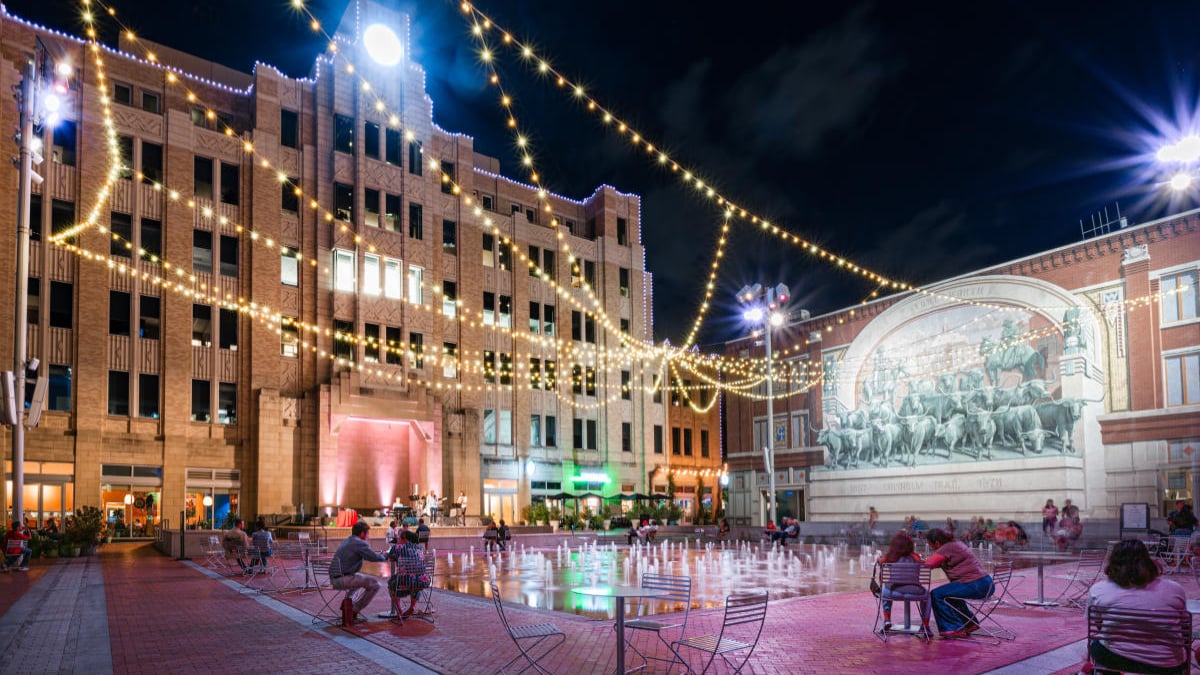
Weekend Lifestyle Guide For Fort Worth Homeowners
Lifestyle Kemberly McLaughlin July 16, 2026
Lifestyle Kemberly McLaughlin July 16, 2026
Fort Worth makes more sense once you spend a Saturday moving through it.
You can start the morning on the Trinity Trails, walk through a world-class museum before lunch, browse Magnolia Avenue in the afternoon, and still make it to the Stockyards for an evening cattle drive. Drive a little farther and the city gives way to prairie, limestone trails, lakes, and state parks.
That variety is one of Fort Worth’s strengths. It is also why a neighborhood should be evaluated by more than its distance from downtown.
The more useful question is this: What would an ordinary weekend look like if you lived there?
Fort Worth maintains more than 300 parks, along with thousands of acres of recreational land and open space. The experiences inside that system vary considerably.
Some parks are built around playgrounds, sports fields, and community programming. Others provide wooded trails, river access, mountain biking, or room to spend several quiet hours outside.
Trinity Park is one of the easiest places to understand how Fort Worth uses its river.
The park sits along the Clear Fork of the Trinity River near the Cultural District, with access to trails, playgrounds, picnic areas, and the Fort Worth Botanic Garden. It works equally well for a morning run, an afternoon with children, or a walk before visiting one of the nearby museums.
The larger Trinity Trails system connects more than 100 miles of paved and natural-surface routes through Fort Worth. Depending on the section, the trail can feel like a downtown transportation route, a neighborhood gathering place, or a quiet stretch of river.
That difference matters when comparing homes near the trail. Being close to Trinity Park creates a different routine than living near the Clearfork Trailhead, Gateway Park, or one of the quieter Benbrook connections.
Gateway Park is one of Fort Worth’s largest metropolitan parks and offers a more rugged experience than Trinity Park.
Its acreage includes sports fields, wooded areas, river access, a dog park, and an established mountain-bike trail system. It is a useful reminder that access to outdoor recreation does not always require leaving the city.
Trail conditions can change after storms or flooding, so it is worth checking current city notices before heading out.
For a longer outing, the Fort Worth Nature Center and Refuge provides thousands of acres of prairie, forest, wetlands, and shoreline near Lake Worth.
Its trails range from relatively easy walks to longer routes through less-developed terrain. Visitors may encounter deer, birds, native plants, and other wildlife, particularly earlier in the day.
This is not a manicured city park. That is the appeal. It offers a quieter side of Fort Worth that can be easy to miss if most of your time is spent along the city’s major commercial corridors.
Tandy Hills offers another kind of open space: native prairie only a few miles east of downtown.
The landscape changes with the season, particularly during spring wildflower periods. It is a good choice when you want a short hike without committing most of the day to it.
The contrast is part of what makes the location interesting. You can stand in native prairie with the downtown skyline still visible in the distance.
The Fort Worth Botanic Garden sits between Trinity Park and the Cultural District, making it easy to combine with a museum visit or a walk along the river.
The Japanese Garden is one of its best-known features, but the larger grounds offer seasonal displays, shaded paths, and special programming throughout the year. Admission, operating hours, and event access can vary, so checking the current calendar is worthwhile.
Fort Worth’s Cultural District is compact enough that several major museums can be visited without spending the day moving the car.
The concentration is unusual. Within a relatively small area, the city offers internationally recognized collections, modern architecture, rotating exhibitions, and several free-admission opportunities.
The Kimbell is small enough to enjoy without museum fatigue and substantial enough to reward repeat visits.
Its permanent collection is free to view, while special exhibitions generally require admission. The Louis Kahn building is part of the experience, even for someone who does not consider themselves particularly interested in architecture.
The Amon Carter focuses on American art and admission is free.
Its collection includes paintings, sculpture, photography, and works connected to the American West. It is an easy museum to revisit because rotating exhibitions regularly change what is on view.
The Modern offers a different experience, from its Tadao Ando-designed building to its collection of post-World War II and contemporary art.
The reflecting pond, galleries, restaurant, and theater make it possible to build an entire afternoon around the museum rather than treating it as a quick stop. Admission programs and free days can change, so confirm the current schedule before visiting.
Bass Performance Hall anchors the performing arts side of downtown Fort Worth.
It serves as a home venue for the Fort Worth Symphony Orchestra, Texas Ballet Theater, Fort Worth Opera, and the Van Cliburn International Piano Competition, while also hosting touring productions and concerts.
For someone comparing neighborhoods, the practical question is not simply whether Bass Hall is nearby. It is whether you are likely to use it often enough for that proximity to shape your routine.
Fort Worth’s entertainment districts are not interchangeable. Each one creates a different version of a weekend.
If you want… | Consider… | What the area offers |
|---|---|---|
Trails followed by coffee or brunch | Clearfork | Trail access, farmers market, fitness, dining and shopping |
Museums and architecture | Cultural District | Kimbell, Amon Carter, the Modern and the Botanic Garden |
Independent restaurants and local events | Near Southside | Magnolia Avenue, South Main Village, galleries and neighborhood businesses |
A traditional Fort Worth experience | Stockyards | Cattle drives, Western history, live music, restaurants and shopping |
Downtown dining and performances | Sundance Square | Restaurants, theaters, public spaces and downtown events |
A quieter outdoor morning | Tandy Hills or the Nature Center | Prairie, wildlife, hiking and less commercial activity |
Near Southside is one of the clearest examples of a Fort Worth district built around local businesses and repeat visits.
Magnolia Avenue and South Main Village offer restaurants, coffee shops, bars, galleries, and independent retail. Events such as ArtsGoggle and Open Streets bring larger crowds, but the district’s appeal is not limited to festival days.
It works because it can be used casually. You can meet someone for coffee, walk to lunch, browse a shop, and decide what comes next without planning the entire afternoon in advance.
For nearby homeowners, that kind of access can be valuable. It can also mean more weekend traffic, activity, and parking demand. Whether that feels convenient or disruptive depends on how close you are and how you prefer to live.
Clearfork combines outdoor recreation with shopping and dining in a way that makes it easy to stay for several hours.
The Trailhead connects directly to the Trinity Trails and regularly hosts a Saturday farmers market and community fitness programming. Press Café provides a natural stopping point before or after a ride, run, or walk.
A short distance away, The Shops at Clearfork adds restaurants, services, specialty retail, and entertainment.
This part of Fort Worth tends to appeal to people who like having recreation and commercial amenities in the same general area. The tradeoff is that it feels more planned and destination-oriented than districts that developed gradually around older neighborhood streets.
The Stockyards are one of Fort Worth’s most recognizable destinations, but they are more than a place to take visiting relatives.
The Fort Worth Herd cattle drive travels along East Exchange Avenue twice daily when weather permits. The surrounding district includes Mule Alley, restaurants, Western shops, live music, rodeo events, and historic buildings connected to the city’s livestock industry.
The experience changes throughout the day. A weekday morning can feel relatively relaxed, while a weekend evening may bring substantial crowds and traffic.
If you are considering living near the Northside or Stockyards area, visit at the times you would normally be coming and going. Proximity to entertainment can be an advantage, but a map will not show you what event traffic feels like on a Friday night.
Downtown Fort Worth offers restaurants, hotels, theaters, offices, and public spaces within a relatively compact area.
Sundance Square is useful for dinner before a performance, a downtown event, or an evening when you would rather park once and walk between several stops.
Living downtown or nearby can reduce the distance between home and entertainment, but that convenience comes with a different rhythm than a residential neighborhood farther from the urban core. Parking arrangements, street activity, building amenities, and access to everyday services deserve as much attention as the view.
One advantage of living in Fort Worth is how quickly the city gives way to smaller towns and state parks.
West of Fort Worth, Mineral Wells offers a mix of outdoor recreation and small-town history.
Lake Mineral Wells State Park includes hiking, camping, fishing, paddling, and rock-climbing areas. Downtown Mineral Wells provides restaurants, local businesses, and the restored Crazy Water Hotel.
It works well when you want a day outside without committing to a longer Texas road trip.
Glen Rose is a practical family day trip southwest of Fort Worth.
Dinosaur Valley State Park is known for dinosaur tracks preserved in and around the Paluxy River. Visibility depends on water levels and weather, so conditions should be checked before visiting.
The area can also be paired with downtown Glen Rose or another nearby attraction for a longer day.
Cedar Hill State Park offers hiking, camping, fishing, and lake access southeast of Fort Worth.
Its proximity to the larger metropolitan area makes it accessible, although drive time can change considerably with traffic. It is a useful option when you want a state-park outing without traveling several hours.
South of Fort Worth, Cleburne State Park offers wooded trails, camping, fishing, and a spring-fed lake.
It generally feels quieter than some of the better-known parks surrounding DFW, which can make it a good choice for a slower weekend or overnight camping trip.
A list of things to do becomes more useful when you connect it to an actual home search.
If your ideal Saturday starts with a long bike ride, access to the Trinity Trails may matter more than being close to downtown. If you regularly attend performances or visit museums, the Cultural District, Arlington Heights, Monticello, or nearby neighborhoods may fit the way you live.
If restaurant variety and walkability are more important, Near Southside may deserve a closer look. If you want newer construction with planned amenities, Clearfork and the surrounding southwest Fort Worth corridor offer a different set of tradeoffs.
None of those preferences makes one neighborhood objectively better than another.
They simply reveal which features you are likely to use after the novelty of moving has worn off.
Before buying in an unfamiliar part of Fort Worth, spend part of a normal weekend there.
Try the route you would take to coffee, groceries, a park, or dinner. Visit during the hours you are most likely to be home. Pay attention to parking, traffic, trail access, noise, and how much driving the routine actually requires.
Ask yourself:
The right location is not necessarily the one closest to the longest list of attractions.
It is the one that makes the life you already enjoy easier to live.
What are some free things to do in Fort Worth?
Options include the permanent collection at the Kimbell, admission to the Amon Carter, portions of the Trinity Trails, city parks, Tandy Hills, and the Fort Worth Herd cattle drive. Museum programs and admission policies can change, so verify current details before visiting.
Which Fort Worth area is best for walking between restaurants and shops?
Near Southside, downtown, the Stockyards, and portions of Clearfork each offer some walkability, but they provide very different experiences. Visit each one at the time of day you would normally use it.
Where can I hike without leaving Fort Worth?
The Fort Worth Nature Center, Tandy Hills, Gateway Park, and portions of the Trinity Trails offer hiking or natural-surface routes within the city. Conditions and closures may change after severe weather.
Do nearby attractions automatically increase a home’s value?
No. Parks, trails, dining, and cultural amenities can influence buyer interest, but an individual home’s market value still depends on condition, location, comparable sales, supply, taxes, and broader market conditions.
Fort Worth is not a city you understand from one afternoon downtown.
Its personality is spread across river trails, older neighborhoods, museum grounds, prairie, restaurant corridors, and destinations that feel entirely different depending on the day and hour.
That is why lifestyle should be part of a home search from the beginning. You are not choosing only a floor plan and commute. You are choosing the grocery route, the Saturday morning, the closest place to walk, and the section of Fort Worth that will gradually become familiar.
Silver Elk Realty helps buyers compare both the homes and the everyday routines surrounding them. If you are deciding which Fort Worth neighborhood fits the way you want to live, schedule a consultation and let’s look beyond the listing photos.
Stay up to date on the latest real estate trends.

Education
The Questions to Research Before Making an Offer
Development

Education
Understanding Foundation Reports and Options
Lifestyle
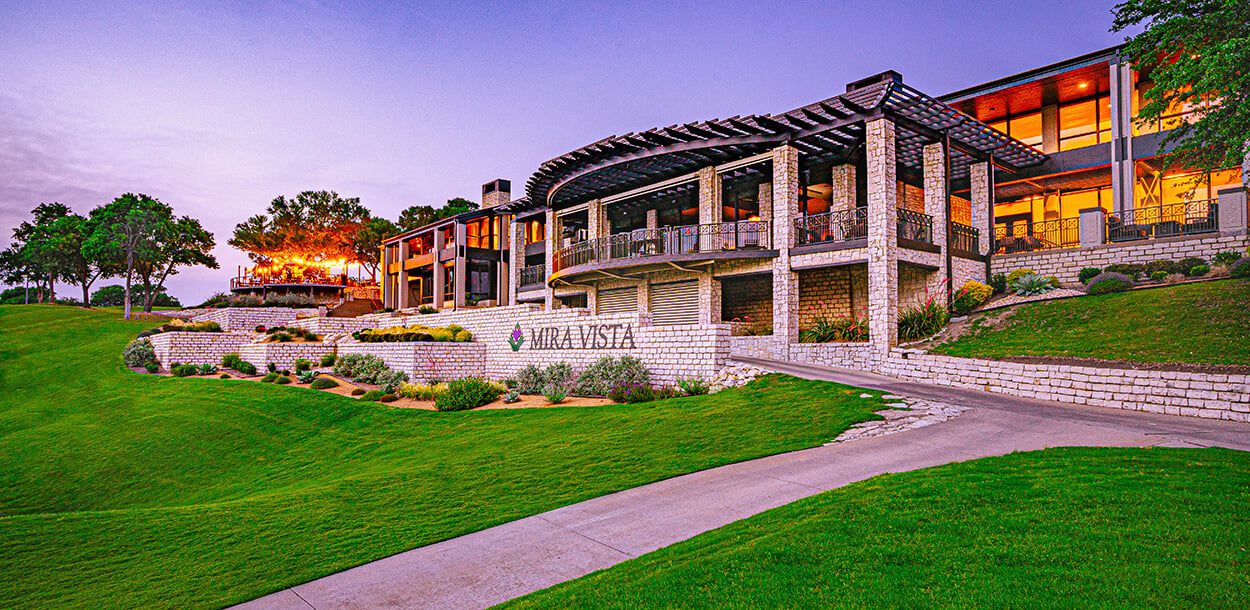
Mira Vista Country Club's Renovation: What Actually Changed for Residents
Lifestyle
Local Chefs Lead The Way
Lifestyle
Mira Vista's Lifestyle Choices Have Expanded
Lifestyle
Experience a seamless real estate journey backed by a dedicated team focused on your success.